Domain absorptionsanlagen.de kaufen?
Wir ziehen mit dem Projekt
absorptionsanlagen.de um.
Sind Sie am Kauf der Domain
absorptionsanlagen.de interessiert?
domain@kv-gmbh.de · 0541-91531010
Domain absorptionsanlagen.de kaufen?
Was ist der Unterschied zwischen Adsorption und Absorption?
Was ist der Unterschied zwischen Adsorption und Absorption? Adsorption bezieht sich auf den Prozess, bei dem Moleküle oder Partikel an die Oberfläche eines Feststoffs oder einer Flüssigkeit gebunden werden, ohne in das Material einzudringen. Absorption hingegen bezieht sich auf den Prozess, bei dem Stoffe in ein Material eindringen und darin gleichmäßig verteilt werden. Adsorption erfolgt an der Oberfläche, während Absorption im Inneren des Materials stattfindet. Adsorption ist ein oberflächengebundener Prozess, während Absorption ein volumenbasiertes Phänomen ist. Insgesamt sind Adsorption und Absorption unterschiedliche Mechanismen, die in verschiedenen Kontexten auftreten. **
Was ist der Unterschied zwischen Adsorption und Absorption?
Adsorption bezieht sich auf den Vorgang, bei dem Moleküle oder Ionen an der Oberfläche eines Feststoffs haften bleiben. Absorption hingegen bezieht sich auf den Vorgang, bei dem Moleküle oder Ionen in ein Material eindringen und darin gelöst werden. Während Adsorption eine Oberflächenerscheinung ist, ist Absorption ein Vorgang, bei dem eine Substanz in eine andere eindringt. **


Ähnliche Suchbegriffe für Veterinary
Top-Angebote
Produkte zum Begriff Veterinary:
-
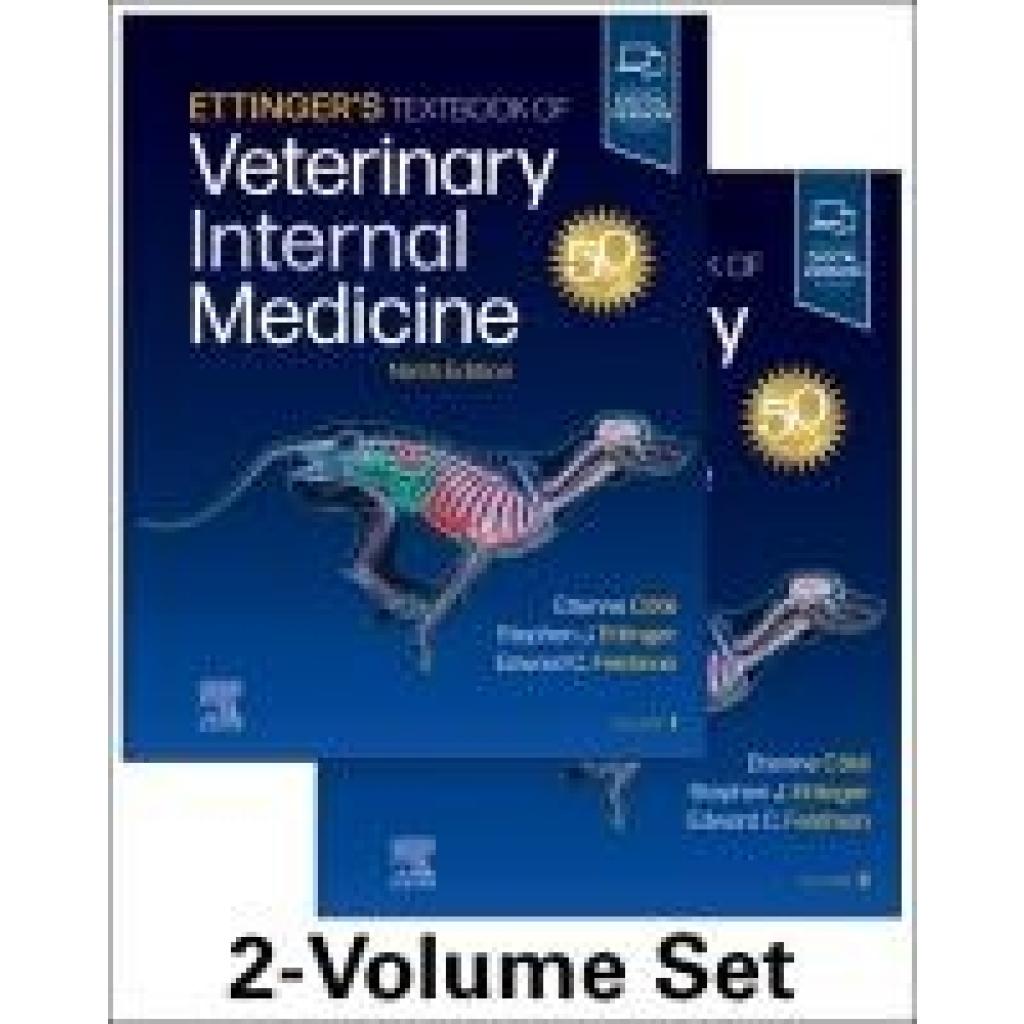
Ettinger's Textbook of Veterinary Internal MedicineEttinger's Textbook of Veterinary Internal Medicine , **Selected for 2026 Doody's Core Titles as an Essential Purchase in Veterinary Medicine** Now Ettinger’s trusted, all-in-one veterinary resource is even better! Trusted by small animal veterinarians for more than 50 years, Ettinger’s Textbook of Veterinary Internal Medicine adds new content on the field’s leading issues and trends to its unmatched, "gold standard" coverage of the diagnosis and treatment of medical problems of dogs and cats. Coverage begins with the basics of veterinary medicine, followed by sections on differential diagnosis for chief complaints and for clinicopathologic abnormalities, and continues with techniques, minimally invasive interventional therapies, critical care, toxicology, diseases by body system, and comorbidities. Clinical information is presented in a way that reflects the practitioner’s thought process. With each purchase of this two-volume print book, Ettinger’s includes access to a fully searchable eBook featuring more than 750 videos that bring procedures to life. UNIQUE! 50 th anniversary edition of this classic textbook. NEW! Coverage of the latest information and trends includes epilepsy, aerodigestive disorders, patient triage and stabilization, enteric protozoal diseases, pulmonary thromboembolism, point-of-care ultrasounds, immunodeficiencies, and more. More than 750 original clinical videos are included with purchase of the print book, providing content you can believe in. Forget those time-consuming searches on YouTube, as each video expertly breaks down veterinary procedures and important signs of diseases and disorders that are difficult or impossible to understand from written descriptions alone. NEW! PDFs in Techniques chapters include a printable pull list of the equipment and materials needed for specific techniques, along with check boxes (accessed through eBook included with print purchase). eBook version is included with purchase of the print book, allowing you to access all the text, figures, and references, with the ability to search, customize content, make notes and highlights, and have content read aloud. The eBook also offers the complete collection of original video clips, heart sounds, client information sheets, and hyperlinking of references to their source abstracts in PubMed ® . NEW! Additional new material is included on nutritional cardiomyopathy, coronavirus infections, host-microbial interactions in gastrointestinal health, and autonomic nervous system disorders. More than 200 clinical algorithms aid in disease identification and decision-making. Fully searchable online text offers quick access to the most important, newest, and relevant veterinary information. More than 250 client information sheets are available in the eBook (included with print purchase) with short, easy-to-understand clinical descriptions of conditions, diagnostics, and treatment options; these pages may be downloaded, customized, and printed as client handouts. Thousands of references for the printed book are accessible online. Expert contributors from around the world provide practical insight into the latest advances and issues affecting small animal medicine. NEW! Coverage of the latest information and trends includes epilepsy, aerodigestive disorders, patient triage and stabilization, enteric protozoal diseases, pulmonary thromboembolism, point-of-care ultrasounds, immunodeficiencies, and more NEW! PDFs in Procedures & Techniques chapters include a printable pull list of the equipment and materials needed for specific procedures (accessed through the eBook included with print purchase) , > , Auflage: 9th Edition, Erscheinungsjahr: 202406, Produktform: Leinen, Autoren: Ettinger, Stephen J.~Feldman, Edward C.~Cote, Etienne, Redaktion: Ettinger, Stephen J.~Feldman, Edward C.~Cote, Etienne, Auflage: 23009, Auflage/Ausgabe: 9th Edition, Seitenzahl/Blattzahl: 2448, Abbildungen: Approx. 1220 illustrations (1220 in full color), Themenüberschrift: MEDICAL / Veterinary Medicine / Small Animal, Keyword: Ettinger’s Textbook of Veterinary Internal Medicine 9th Edition, Etienne Côté, Cote, Stephen J. Ettinger, Ettinger, Edward C. Feldman, Feldman, veterinary internal medicine, small animal medicine, medical problems of dogs and cats, diagnosis and treatment of dogs and cats, procedure videos for dogs and cats, Fachschema: Chirurgie (tiermedizinisch)~Tiermedizin (allgemein)~Veterinärmedizin, Imprint-Titels: Elsevier, Warengruppe: HC/Tiermedizin, UNSPSC: 49019900, Warenverzeichnis für die Außenhandelsstatistik: 49019900, Länge: 303, Breite: 241, Höhe: 145, Gewicht: 7579, Produktform: Gebunden, Genre: Importe,281,13 €*Versand: 0,00 €Sichere Weiterleitung zum Anbieter

-
Was ist Desorption und wie unterscheidet es sich von der Adsorption?
Desorption ist der Prozess, bei dem Moleküle von einer Oberfläche freigesetzt werden. Im Gegensatz zur Adsorption, bei der Moleküle an einer Oberfläche haften, lösen sie sich bei der Desorption von der Oberfläche ab. Desorption ist also das Gegenteil von Adsorption. **
-
Was versteht man unter Desorption und wie unterscheidet es sich von Adsorption?
Desorption ist der Prozess, bei dem Moleküle von einer Oberfläche freigesetzt werden. Im Gegensatz zur Adsorption, bei der Moleküle an einer Oberfläche haften, lösen sie sich bei der Desorption von der Oberfläche und kehren in die Gasphase zurück. Desorption ist somit der umgekehrte Prozess von Adsorption. **
-
Was ist Adsorption und wie unterscheidet sie sich von Absorption?
Adsorption ist die Anlagerung von Molekülen an die Oberfläche eines Festkörpers. Im Gegensatz dazu bezieht sich Absorption auf das Eindringen von Molekülen in die Struktur eines Festkörpers. Adsorption erfolgt an der Oberfläche, während Absorption im Inneren des Materials stattfindet. **
-
Was ist Adsorption und welche Rolle spielt sie in der chemischen Trennung und Reinigung von Substanzen?
Adsorption ist die Anlagerung von Molekülen an einer Oberfläche. In der chemischen Trennung und Reinigung von Substanzen spielt Adsorption eine wichtige Rolle, da sie zur Entfernung von Verunreinigungen aus einer Lösung oder zur Trennung von Stoffgemischen genutzt werden kann. Durch gezielte Adsorption können unerwünschte Stoffe von der gewünschten Substanz getrennt und gereinigt werden. **


Was ist der Unterschied zwischen Adsorption und Absorption und wie funktioniert die Adsorption von Schadstoffen in der Umwelt?
Adsorption ist die Anlagerung von Molekülen an einer Oberfläche, während Absorption das Eindringen von Molekülen in ein Material ist. Bei der Adsorption von Schadstoffen in der Umwelt haften die Schadstoffmoleküle an Oberflächen von Bodenpartikeln oder Pflanzen und werden dort festgehalten. Dies führt dazu, dass die Schadstoffe aus dem Wasser oder der Luft entfernt werden und somit die Umwelt gereinigt wird. **
Was versteht man unter Desorption und wie unterscheidet sich dieser Prozess von der Adsorption?
Desorption ist der Prozess, bei dem Moleküle von einer Oberfläche freigesetzt werden. Im Gegensatz zur Adsorption, bei der Moleküle an einer Oberfläche haften, lösen sich bei der Desorption Moleküle von der Oberfläche und kehren in die Gasphase zurück. Desorption ist somit der umgekehrte Prozess der Adsorption. **
Top-Angebote
Produkte zum Begriff Veterinary:
-
Ettinger's Textbook of Veterinary Internal MedicineEttinger's Textbook of Veterinary Internal Medicine , **Selected for 2026 Doody's Core Titles as an Essential Purchase in Veterinary Medicine** Now Ettinger’s trusted, all-in-one veterinary resource is even better! Trusted by small animal veterinarians for more than 50 years, Ettinger’s Textbook of Veterinary Internal Medicine adds new content on the field’s leading issues and trends to its unmatched, "gold standard" coverage of the diagnosis and treatment of medical problems of dogs and cats. Coverage begins with the basics of veterinary medicine, followed by sections on differential diagnosis for chief complaints and for clinicopathologic abnormalities, and continues with techniques, minimally invasive interventional therapies, critical care, toxicology, diseases by body system, and comorbidities. Clinical information is presented in a way that reflects the practitioner’s thought process. With each purchase of this two-volume print book, Ettinger’s includes access to a fully searchable eBook featuring more than 750 videos that bring procedures to life. UNIQUE! 50 th anniversary edition of this classic textbook. NEW! Coverage of the latest information and trends includes epilepsy, aerodigestive disorders, patient triage and stabilization, enteric protozoal diseases, pulmonary thromboembolism, point-of-care ultrasounds, immunodeficiencies, and more. More than 750 original clinical videos are included with purchase of the print book, providing content you can believe in. Forget those time-consuming searches on YouTube, as each video expertly breaks down veterinary procedures and important signs of diseases and disorders that are difficult or impossible to understand from written descriptions alone. NEW! PDFs in Techniques chapters include a printable pull list of the equipment and materials needed for specific techniques, along with check boxes (accessed through eBook included with print purchase). eBook version is included with purchase of the print book, allowing you to access all the text, figures, and references, with the ability to search, customize content, make notes and highlights, and have content read aloud. The eBook also offers the complete collection of original video clips, heart sounds, client information sheets, and hyperlinking of references to their source abstracts in PubMed ® . NEW! Additional new material is included on nutritional cardiomyopathy, coronavirus infections, host-microbial interactions in gastrointestinal health, and autonomic nervous system disorders. More than 200 clinical algorithms aid in disease identification and decision-making. Fully searchable online text offers quick access to the most important, newest, and relevant veterinary information. More than 250 client information sheets are available in the eBook (included with print purchase) with short, easy-to-understand clinical descriptions of conditions, diagnostics, and treatment options; these pages may be downloaded, customized, and printed as client handouts. Thousands of references for the printed book are accessible online. Expert contributors from around the world provide practical insight into the latest advances and issues affecting small animal medicine. NEW! Coverage of the latest information and trends includes epilepsy, aerodigestive disorders, patient triage and stabilization, enteric protozoal diseases, pulmonary thromboembolism, point-of-care ultrasounds, immunodeficiencies, and more NEW! PDFs in Procedures & Techniques chapters include a printable pull list of the equipment and materials needed for specific procedures (accessed through the eBook included with print purchase) , > , Auflage: 9th Edition, Erscheinungsjahr: 202406, Produktform: Leinen, Autoren: Ettinger, Stephen J.~Feldman, Edward C.~Cote, Etienne, Redaktion: Ettinger, Stephen J.~Feldman, Edward C.~Cote, Etienne, Auflage: 23009, Auflage/Ausgabe: 9th Edition, Seitenzahl/Blattzahl: 2448, Abbildungen: Approx. 1220 illustrations (1220 in full color), Themenüberschrift: MEDICAL / Veterinary Medicine / Small Animal, Keyword: Ettinger’s Textbook of Veterinary Internal Medicine 9th Edition, Etienne Côté, Cote, Stephen J. Ettinger, Ettinger, Edward C. Feldman, Feldman, veterinary internal medicine, small animal medicine, medical problems of dogs and cats, diagnosis and treatment of dogs and cats, procedure videos for dogs and cats, Fachschema: Chirurgie (tiermedizinisch)~Tiermedizin (allgemein)~Veterinärmedizin, Imprint-Titels: Elsevier, Warengruppe: HC/Tiermedizin, UNSPSC: 49019900, Warenverzeichnis für die Außenhandelsstatistik: 49019900, Länge: 303, Breite: 241, Höhe: 145, Gewicht: 7579, Produktform: Gebunden, Genre: Importe,281,13 €*Versand: 0,00 €Sichere Weiterleitung zum Anbieter
-
Was ist der Unterschied zwischen Adsorption und Absorption?
Was ist der Unterschied zwischen Adsorption und Absorption? Adsorption bezieht sich auf den Prozess, bei dem Moleküle oder Partikel an die Oberfläche eines Feststoffs oder einer Flüssigkeit gebunden werden, ohne in das Material einzudringen. Absorption hingegen bezieht sich auf den Prozess, bei dem Stoffe in ein Material eindringen und darin gleichmäßig verteilt werden. Adsorption erfolgt an der Oberfläche, während Absorption im Inneren des Materials stattfindet. Adsorption ist ein oberflächengebundener Prozess, während Absorption ein volumenbasiertes Phänomen ist. Insgesamt sind Adsorption und Absorption unterschiedliche Mechanismen, die in verschiedenen Kontexten auftreten. **
-
Was ist der Unterschied zwischen Adsorption und Absorption?
Adsorption bezieht sich auf den Vorgang, bei dem Moleküle oder Ionen an der Oberfläche eines Feststoffs haften bleiben. Absorption hingegen bezieht sich auf den Vorgang, bei dem Moleküle oder Ionen in ein Material eindringen und darin gelöst werden. Während Adsorption eine Oberflächenerscheinung ist, ist Absorption ein Vorgang, bei dem eine Substanz in eine andere eindringt. **
-
Was ist Desorption und wie unterscheidet es sich von der Adsorption?
Desorption ist der Prozess, bei dem Moleküle von einer Oberfläche freigesetzt werden. Im Gegensatz zur Adsorption, bei der Moleküle an einer Oberfläche haften, lösen sie sich bei der Desorption von der Oberfläche ab. Desorption ist also das Gegenteil von Adsorption. **
-
Was versteht man unter Desorption und wie unterscheidet es sich von Adsorption?
Desorption ist der Prozess, bei dem Moleküle von einer Oberfläche freigesetzt werden. Im Gegensatz zur Adsorption, bei der Moleküle an einer Oberfläche haften, lösen sie sich bei der Desorption von der Oberfläche und kehren in die Gasphase zurück. Desorption ist somit der umgekehrte Prozess von Adsorption. **
Ähnliche Suchbegriffe für Veterinary
-
EUKANUBA Veterinary Diet Joint Mobility 2x12kgBewegliche Gelenke für Hunde ist das ausgewogene Alleinfuttermittel für Hunde mit niedriger Energiedichte, das hilft das Gewicht Ihres Hundes zu kontrollieren, sodass sich die Belastung seiner Gelenke verringert.89,50 €*Versand: 0,00 €Sichere Weiterleitung zum Anbieter
-
Was ist Adsorption und wie unterscheidet sie sich von Absorption?
Adsorption ist die Anlagerung von Molekülen an die Oberfläche eines Festkörpers. Im Gegensatz dazu bezieht sich Absorption auf das Eindringen von Molekülen in die Struktur eines Festkörpers. Adsorption erfolgt an der Oberfläche, während Absorption im Inneren des Materials stattfindet. **
-
Was ist Adsorption und welche Rolle spielt sie in der chemischen Trennung und Reinigung von Substanzen?
Adsorption ist die Anlagerung von Molekülen an einer Oberfläche. In der chemischen Trennung und Reinigung von Substanzen spielt Adsorption eine wichtige Rolle, da sie zur Entfernung von Verunreinigungen aus einer Lösung oder zur Trennung von Stoffgemischen genutzt werden kann. Durch gezielte Adsorption können unerwünschte Stoffe von der gewünschten Substanz getrennt und gereinigt werden. **
-
Was ist der Unterschied zwischen Adsorption und Absorption und wie funktioniert die Adsorption von Schadstoffen in der Umwelt?
Adsorption ist die Anlagerung von Molekülen an einer Oberfläche, während Absorption das Eindringen von Molekülen in ein Material ist. Bei der Adsorption von Schadstoffen in der Umwelt haften die Schadstoffmoleküle an Oberflächen von Bodenpartikeln oder Pflanzen und werden dort festgehalten. Dies führt dazu, dass die Schadstoffe aus dem Wasser oder der Luft entfernt werden und somit die Umwelt gereinigt wird. **
-
Was versteht man unter Desorption und wie unterscheidet sich dieser Prozess von der Adsorption?
Desorption ist der Prozess, bei dem Moleküle von einer Oberfläche freigesetzt werden. Im Gegensatz zur Adsorption, bei der Moleküle an einer Oberfläche haften, lösen sich bei der Desorption Moleküle von der Oberfläche und kehren in die Gasphase zurück. Desorption ist somit der umgekehrte Prozess der Adsorption. **
* Alle Preise verstehen sich inklusive der gesetzlichen Mehrwertsteuer und ggf. zuzüglich Versandkosten. Die Angebotsinformationen basieren auf den Angaben des jeweiligen Shops und werden über automatisierte Prozesse aktualisiert. Eine Aktualisierung in Echtzeit findet nicht statt, so dass es im Einzelfall zu Abweichungen kommen kann. ** Hinweis: Teile dieses Inhalts wurden von KI erstellt.